Types of Dental Bridges: Choosing the Right Option for Your Smile
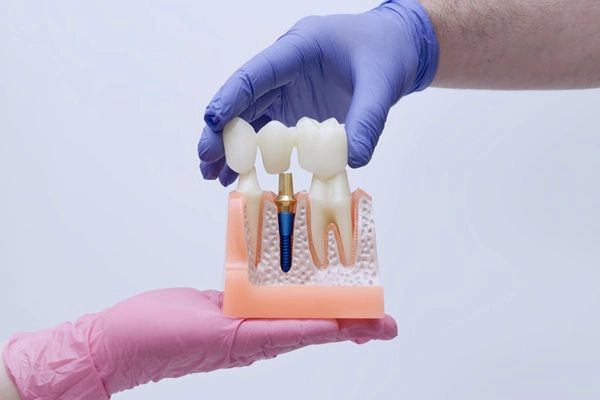
Dental bridges are a reliable solution for replacing missing teeth and restoring a complete smile. With several types available, it is important to understand the options and choose the one that best meets your needs. A general dentist can explain the different types of bridges and guide you toward the most appropriate choice.
What are dental bridges?
Dental bridges are restorations designed to fill the gap left by one or more missing teeth. They consist of one or more artificial teeth called pontics. The pontics are attached to natural teeth or dental implants on either side of the space left by the missing tooth. Dental bridges help improve chewing, speech, and the smile's overall appearance by filling the space. Additionally, they prevent surrounding teeth from shifting out of place, which can lead to further dental issues.
Types of dental bridges
Traditional dental bridges
Traditional dental bridges are typically used when natural teeth are on both sides of the gap. This type of bridge involves placing crowns on the adjacent teeth to anchor the artificial tooth. Traditional bridges are durable, long-lasting, and ideal for replacing teeth in areas that sustain heavy biting force, such as the molars. However, they require the adjacent healthy teeth to be filed down to fit the crowns.
Cantilever dental bridges
A dentist may recommend a cantilever bridge when only one natural tooth is next to the gap. This type of bridge is anchored by a crown placed on a single adjacent tooth. While cantilever bridges can be effective in certain situations, they are not recommended for areas with heavy chewing forces, as the single anchor may create additional stress on the supporting tooth. A dentist is likelier to recommend them for front teeth, where less pressure is applied.
Maryland dental bridges
Maryland dental bridges are a conservative option that uses a metal or porcelain framework bonded to the back of the adjacent teeth. Dentists often suggest these for patients who prioritize preserving natural teeth. Unlike traditional bridges, Maryland bridges do not require crowns or extensive tooth preparation, making them a less invasive choice. While they are an excellent option for replacing front teeth, they may be weaker than other types and are not ideal for areas subject to heavy chewing forces.
Implant-supported dental bridges
Implant-supported dental bridges offer the most stability and durability because dental implants anchor them rather than natural teeth. This option is ideal for patients with multiple missing teeth or whose adjacent teeth are not strong enough to support a traditional bridge. Implant-supported bridges provide a natural appearance and functionality, but the process involves surgery and may take several months to complete.
Choosing the right option
No matter the type, dental bridges are an effective way to restore function and confidence to a smile. However, patients must consider several factors when choosing the right dental bridge, such as the missing tooth's location, the surrounding teeth' health, and their budget. A dentist will evaluate the patient's oral health and discuss their options to help them make an informed decision.
The dental bridge that suits your needs
Dental bridges provide a practical and lasting solution for missing teeth, improving both appearance and oral health. By understanding the different types available, your dentist can help you choose the option that fits your needs and lifestyle. Call today to restore your smile.
Request an appointment here: https://www.sabinodental.com or call Sabino Dental at (520) 308-6711 for an appointment in our Tucson office.
Check out what others are saying about our dental services on Google: Dental Bridges in Tucson, AZ.
Related Posts
A traditional dental bridge can replace up to three or four consecutive teeth on the same side of a dental arch. It is one of the most common dental replacements you can get. Knowing how to care for it can help maintain your new smile for a long time. Here are some tips for ensuring…
A dental crown is used to restore teeth that are in bad shape. Oftentimes, they are needed for teeth that have become cracked, chipped or broken. Additionally, general dentists recommend them for teeth that have severely decayed due to an infection. While they are one of the most common dental restorations, many wonder how long…
A dental crowns is one of the most common ways to have a tooth restored. However, patients may want to know why the process of restoration is needed. It is a good question that can easily be answered.Outlined below are a few times when a dental crown is necessary. Dental crown placement will not only address…
Wondering how often a general dentist places a dental crown? The fact that dental crowns are one of the more common types of dental restorations that patients undergo to improve their oral health makes dental crown placement a very popular option for repairing teeth. Ready to learn more?It is essential for anyone who is in…