Bioclear® vs. Bonding: How the Techniques Differ and When Each Helps
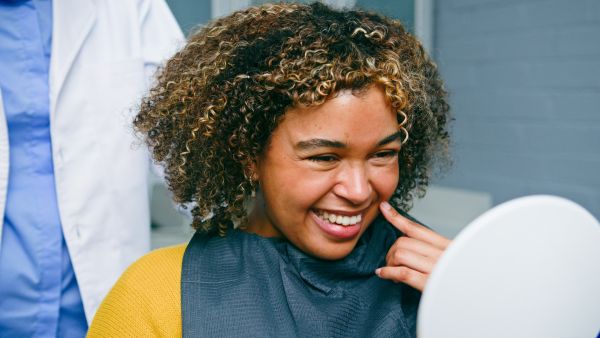
Bioclear® often comes up in cosmetic dentistry because it offers a modern way to reshape teeth and close small gaps, while traditional bonding remains a popular option for chips, stains, and minor shape changes. Both treatments improve the smile's appearance, but they use different methods and produce different contours and margin behavior. Understanding how each approach works helps patients choose the most appropriate solution for specific goals.
Understanding traditional dental bonding
Dental bonding uses tooth-colored composite resin that is sculpted directly onto the tooth. The dentist shapes the material by hand, then hardens it with a curing light and refines the surface for a natural look. Bonding often works well for small chips, uneven edges, and minor discoloration that does not respond to whitening. Dentists commonly choose it because it can be completed efficiently and with conservative enamel preparation.
Bonding success depends on technique, moisture control, and a smooth transition at the composite-enamel interface. When contouring is not ideal, plaque can collect more easily along margins, especially near the gumline. The dentist focuses on polishing and shaping so that bonding remains cleanable and comfortable.
Understanding Bioclear
Bioclear also uses composite materials, but employs a different shaping method. Instead of freehand sculpting alone, Bioclear uses clear matrices that wrap around the tooth, creating a smooth, continuous contour when the dentist injects and cures the composite. This approach is often described as an injection molding technique that can improve contact points, embrasure shape, and surface smoothness. Since the matrices help guide contour, Bioclear can be particularly helpful when the goal is to close dark triangles or build a more natural emergence profile near the gumline.
This technique often aims to create a stronger, more polished surface that resists plaque retention compared with rough or over-contoured freehand restorations. The approach also emphasizes polishing protocols that create a highly smooth finish. As with any composite treatment, results still depend on case selection and careful bite planning. The dentist evaluates whether the tooth shape, gumline health, and spacing make the technique a good fit.
When each option helps most
Traditional bonding can be a strong option for small, localized cosmetic repairs. Minor chips, small defects, and one-tooth improvements often work well with skilled freehand bonding. It is also useful when subtle reshaping is needed without changing multiple teeth. When the main concern is a small stain, a minor gap, or an uneven edge, bonding may efficiently meet the goals.
Bioclear is often the preferred option when broader contour control is needed. Closing black triangles, improving how teeth meet at the gumline, and creating more consistent tooth shape across multiple teeth are areas where this treatment excels. The matrix-driven approach can help create smoother transitions and more stable contact areas. The dentist can also use it to improve symmetry while keeping the preparation conservative.
Schedule a consultation
Bioclear and traditional bonding both use tooth-colored composite, yet they differ in how the material is shaped and how contours are controlled. A consultation helps confirm which approach fits tooth shape, gum health, and long-term goals. Contact Sabino Dental to schedule a consultation to learn which option is most suitable for your condition.
Request an appointment here: https://www.sabinodental.com or call Sabino Dental at (520) 308-6711 for an appointment in our Tucson office.
Check out what others are saying about our dental services on Google: Bioclear in Tucson, AZ.
Related Posts
Learning more about available cosmetic dentistry options is the first step to getting a new smile. One of the more common problems people experience that make them want to get a new smile is that they are missing one or more of their teeth. Dental implants are a popular tooth replacement option due to the…
There are a handful of cosmetic dentistry procedures that can be used to improve the color of a person's teeth. Most people would love to have pearly white teeth, but that is easier said than done. Teeth are regularly exposed to foods and beverages that can stain them. They are also exposed to certain medications…
Cosmetic dentistry is the specialty that focuses on improving the way that the teeth appear. Additionally, cosmetic dentists make an effort to improve overall function. There are many different cosmetic dentistry options for improving one’s teeth and gums, making it necessary to understand how each works. Ready to learn more?Understanding the different types of cosmetic…
If you are beginning to notice chips or stains on your teeth, you may want to consider cosmetic dental treatment. Cosmetic dental treatments are a popular choice for anyone wishing for a more appealing smile. Depending on your wishes, there are many different cosmetic dental treatments to choose from. Visit a general dentist today to…